BEGINNING WITH GRADE 1
Curiosity begins to find structure.
ELEMENTARY YEARS
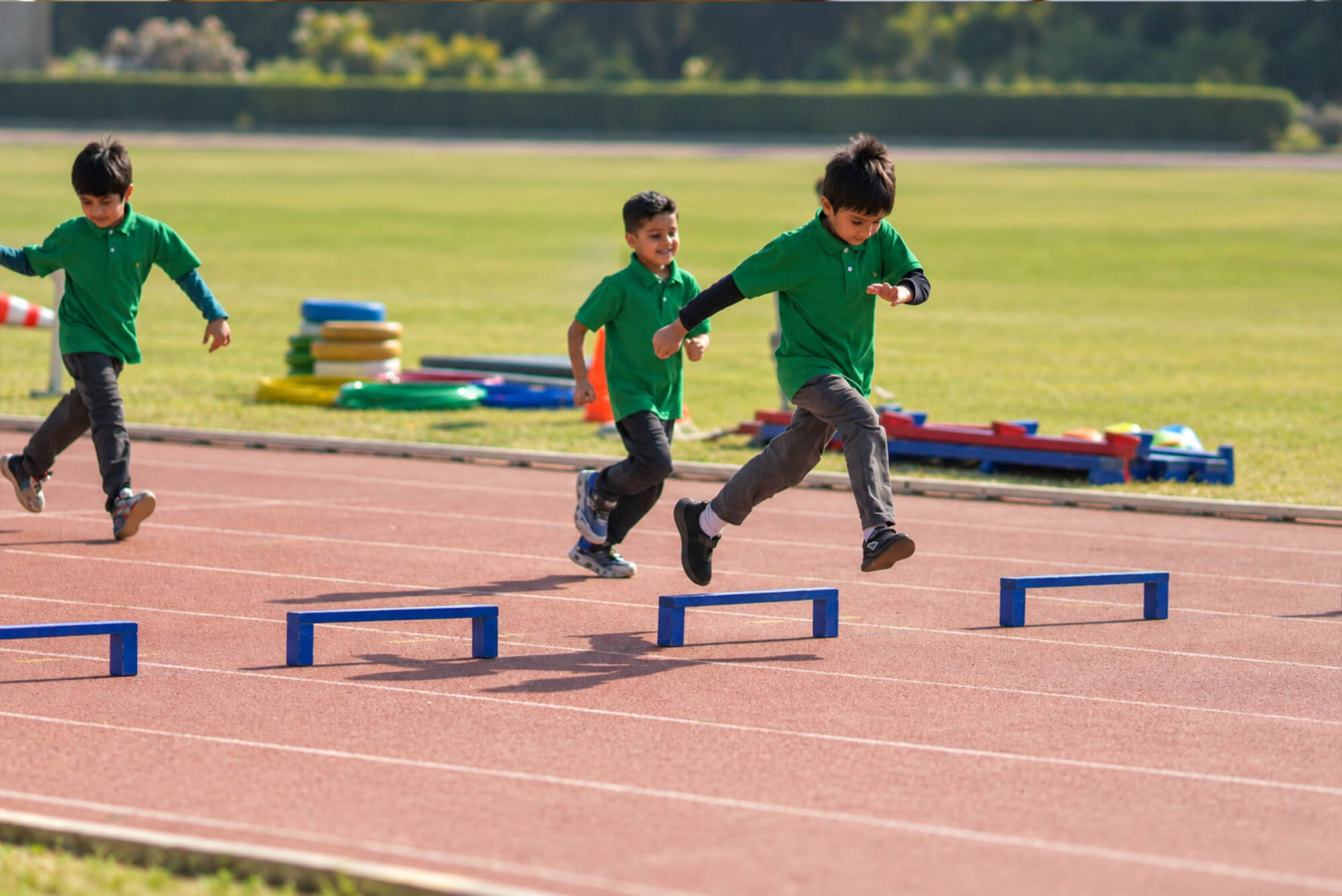
As children move into Elementary learning, their capacity for sustained thinking grows.
They read for longer. Write with greater purpose. Work with increasingly complex mathematical ideas. Investigate questions more systematically. Begin to organise information, explain their reasoning and stay with a problem when the answer isn't immediately obvious.
Learning becomes more structured.
But structure doesn't require children to stop questioning, making, experimenting or connecting ideas.
Knowledge matters. So does knowing what to do with it.
STRONG FOUNDATIONS. CONNECTED THINKING.
What happens when knowledge has somewhere to go?
Knowing something is important.
Using it changes the learning.
A child might understand a mathematical idea and then need it to design something.
Read about the natural world and then encounter something unexpected in the garden.
Research a question and discover that the first answer creates three more.
Explain an idea to someone else and realise they haven't understood it quite as well as they thought.
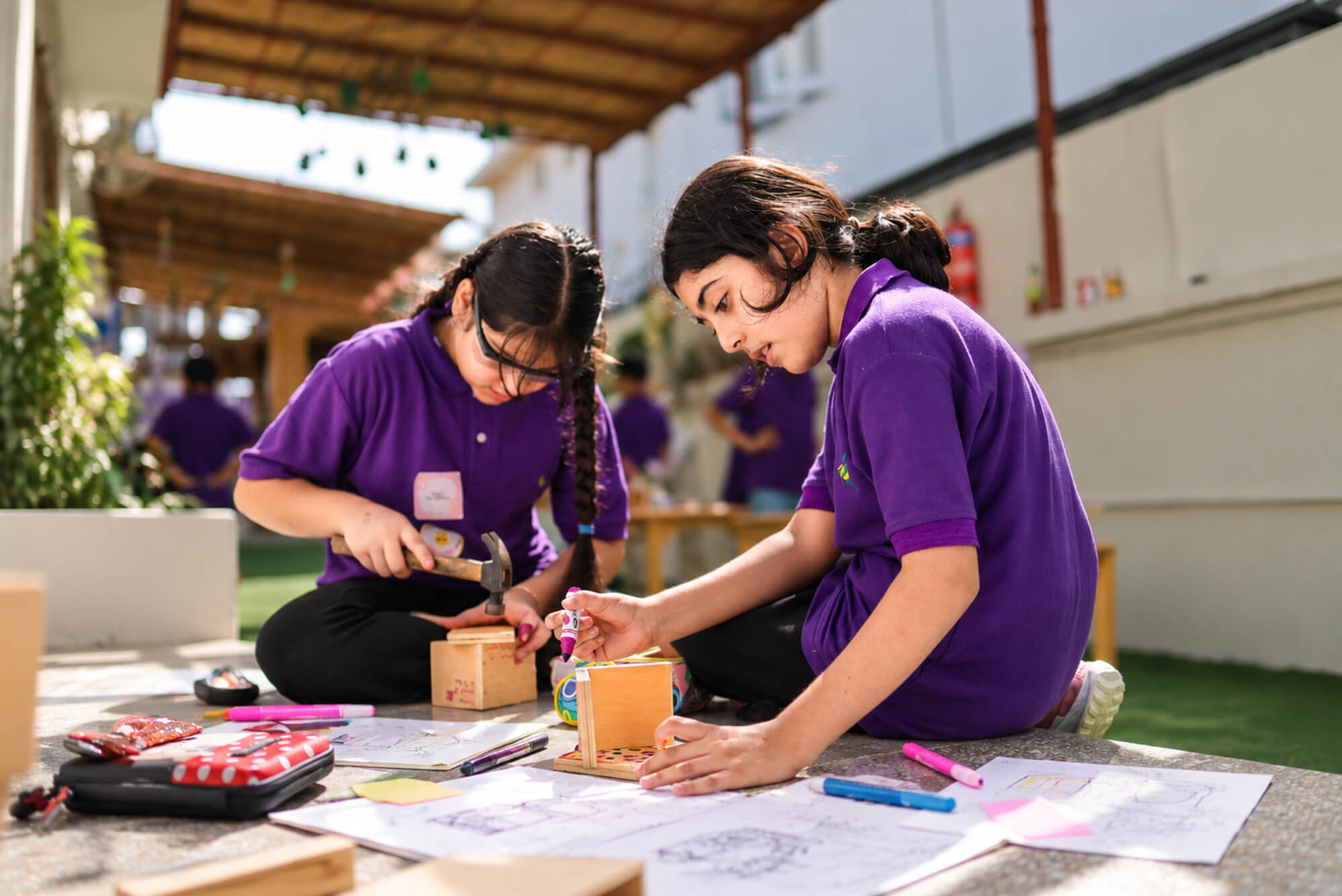
Through inquiry, projects, discussion, experimentation and making, children have opportunities to apply what they know.
The outcome isn't simply something impressive to display at the end.
The learning is in the process:
Research Reason Make Test Revise Communicate Reflect
THE JOURNEY AHEAD
The habits begin long before the programme does.
VLC Lahore's long-term academic journey is being developed towards the International Baccalaureate.
As the school grows, the intended pathway extends towards the Middle Years Programme (MYP) and later the Diploma Programme (DP).
These programmes belong to later stages of a child's education.
But many of the habits that support that kind of learning begin much earlier.
Asking thoughtful questions.
Making connections between ideas.
Communicating with clarity.
Considering different perspectives.
Reflecting on how you learn.
Taking increasing responsibility for your work.
Understanding that learning exists within a wider world.
So the purpose of the early years isn't to make young children behave like older students. Quite the opposite.
It is to give each stage of childhood what it needs, while building foundations strong enough for what comes next.