Literacy
A rich culture of reading, discussion and academic language supports increasingly confident reading, writing, speaking and comprehension.
Grades 6–8
The questions get harder. So does the thinking.
The Middle Years are a bridge between the connected learning of Elementary and the greater disciplinary depth of Senior School.
Students encounter more specialised subject knowledge, more demanding texts and problems, and greater expectations around research, analysis, writing and independent work.
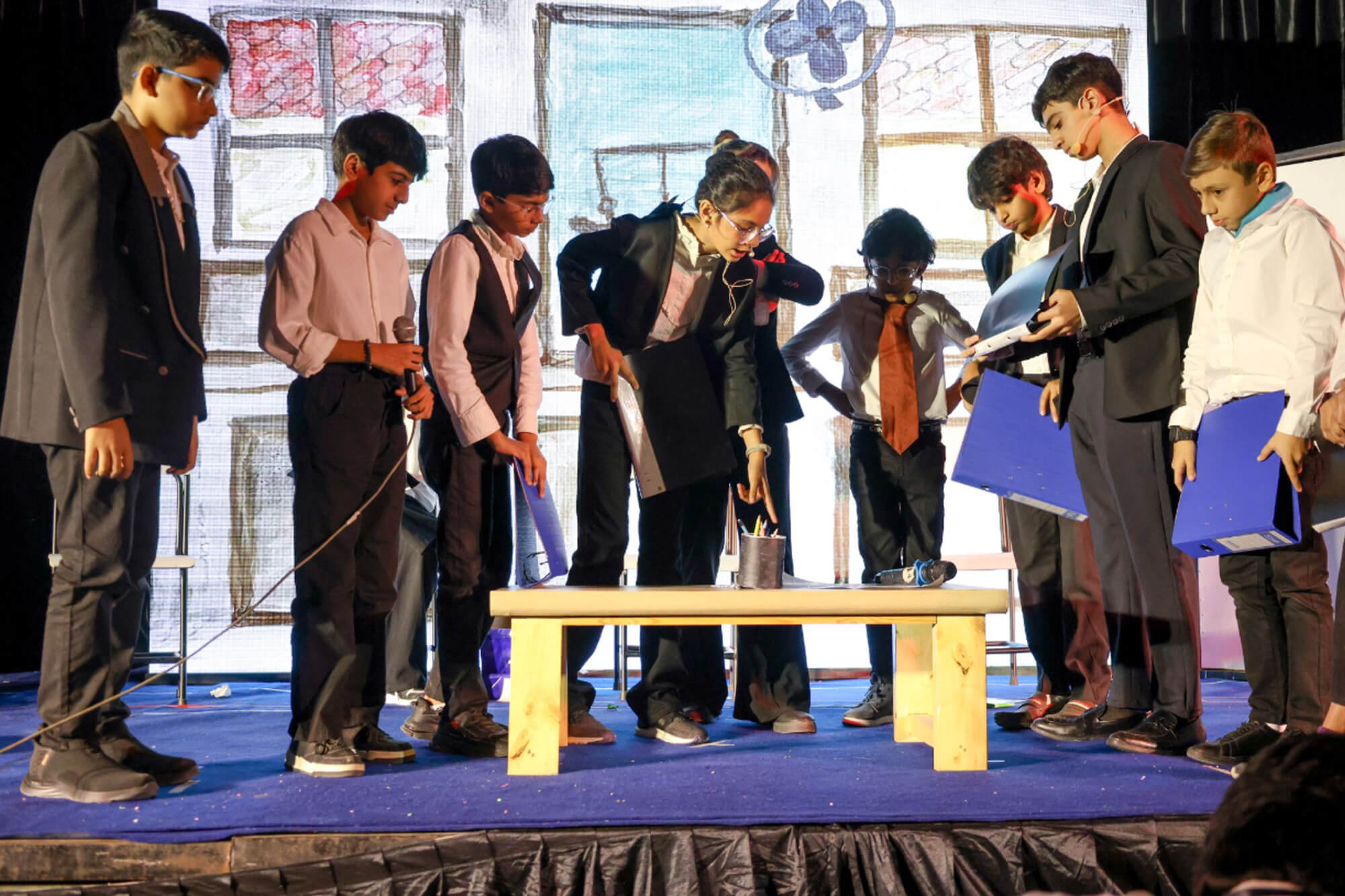
Teachers increasingly ask students to defend an argument, examine evidence, recognise bias, compare perspectives and communicate with precision.
Projects and interdisciplinary connections remain part of the experience, but students are also expected to understand the distinct ways different disciplines think.
A scientist asks one kind of question.
A historian may ask another.
A mathematician needs a different kind of proof.
Integration at VLC doesn't mean blurring everything together.
Students still develop the knowledge, vocabulary, concepts and skills particular to individual disciplines.
But the world doesn't arrive divided into forty-minute periods.
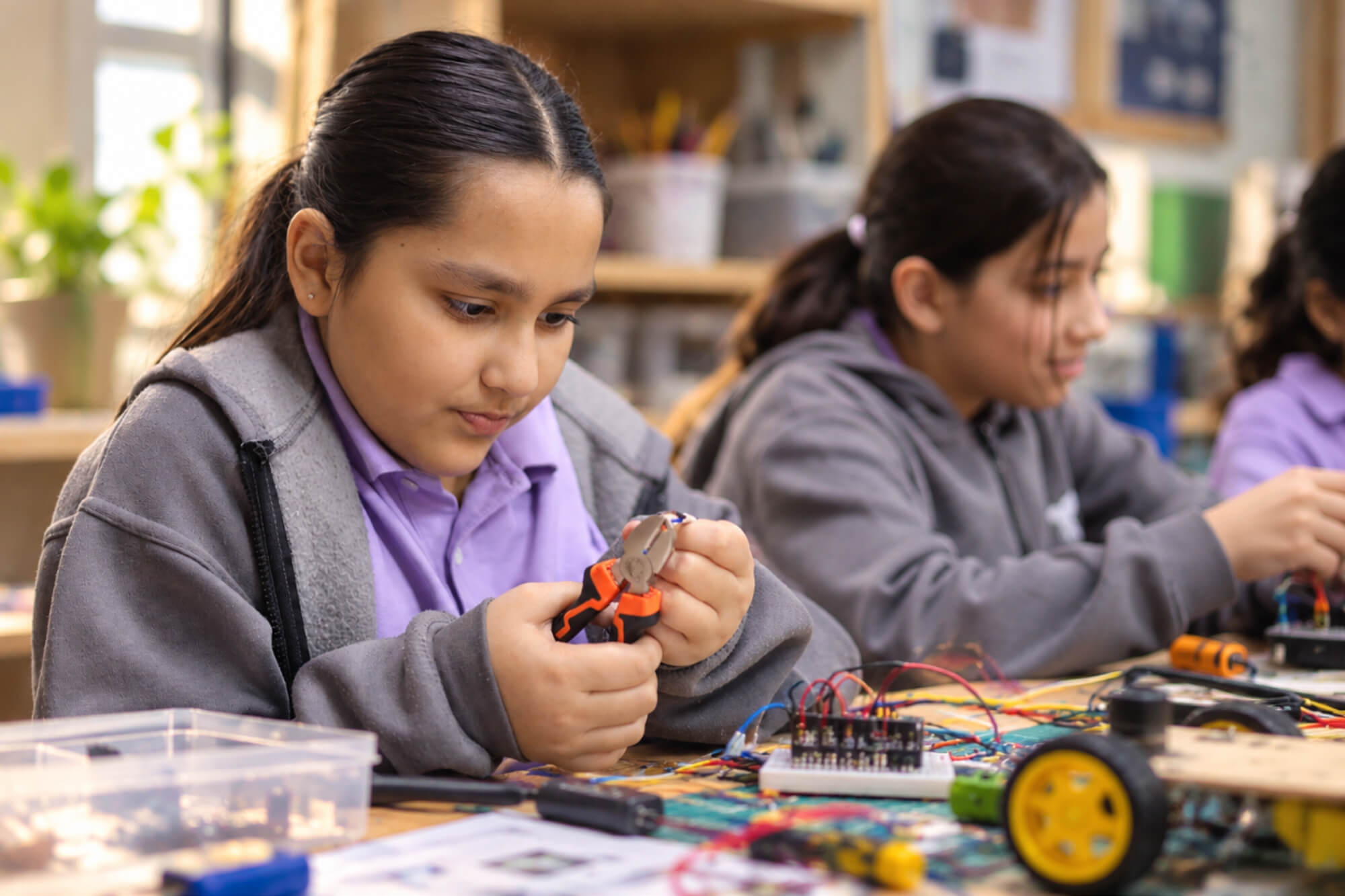
Climate change is simultaneously science, geography, economics and human behaviour. Building something may involve mathematics, physics, design and technology. Understanding a historical moment may require literature, geography, politics and art.
Our integrated curriculum creates deliberate opportunities for students to recognise those connections.
The aim is depth within subjects and fluency between them.
The foundations are explicit.
Experiential learning does not replace foundational academic skills.
Throughout Elementary, students follow a clear progression of knowledge and skills.
A rich culture of reading, discussion and academic language supports increasingly confident reading, writing, speaking and comprehension.
Mathematical fluency is nurtured alongside deep reasoning, giving students both the skills to calculate and the ability to understand why mathematics works.
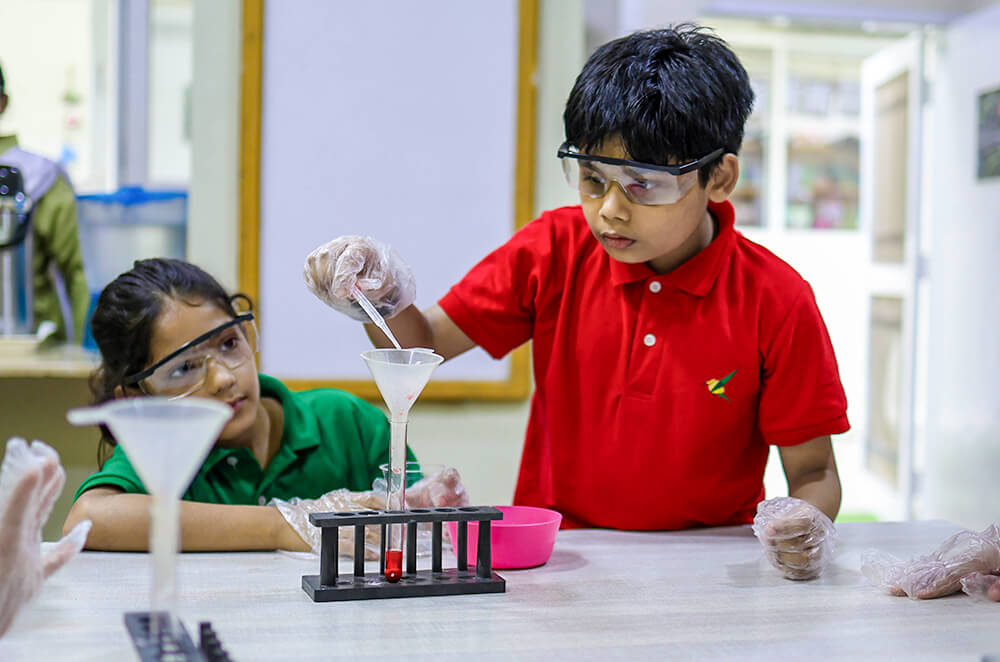
Students learn to observe, question, investigate, gather evidence and draw conclusions rather than simply memorising scientific facts.
Independence is taught
Students gradually take greater responsibility for organising their work, managing longer-term tasks, reflecting on feedback and understanding how they learn.
The role of the teacher evolves too: still teaching, still guiding, but increasingly challenging students to think before being given the answer.
By the end of Grade 8, the aim is not simply to have “covered” content.
It is to have students ready for the intellectual and personal demands of Senior Years.