Karachi · Four stages
The way they learn should grow as they do.
A three-year-old and a fifteen-year-old do not learn in the same way. Their education shouldn't ask them to.
Learning Journey
At VLC Karachi, each stage of the learning journey is designed around what children need at that point in their development, moving from exploration and play in the earliest years towards greater academic depth, disciplinary knowledge, independence and internationally recognised qualifications.
The approach evolves.
The expectations grow.
The curiosity stays.
SNAP® + British EYFS
STAMP® + Integrated Curriculum
Greater Depth + Independence
Cambridge IGCSE + OxfordAQA + Pearson Edexcel
One philosophy. Different ways of learning.
The methodology changes as children grow, but some things remain constant.
We want students to understand, not simply remember.
To ask why before accepting an answer. To connect what they learn in one place to what they encounter somewhere else. To test ideas, make mistakes, reflect and try again.
Sometimes that happens through a story.
Sometimes through a project.
Sometimes through an experiment, a discussion or a difficult problem that requires sustained concentration.
And sometimes it happens through direct instruction, practice and repetition, because meaningful learning doesn't mean avoiding structure.
Joy and rigour belong in the same education.

Early Years
PLAYGROUP – PREP
Before subjects, there is curiosity.
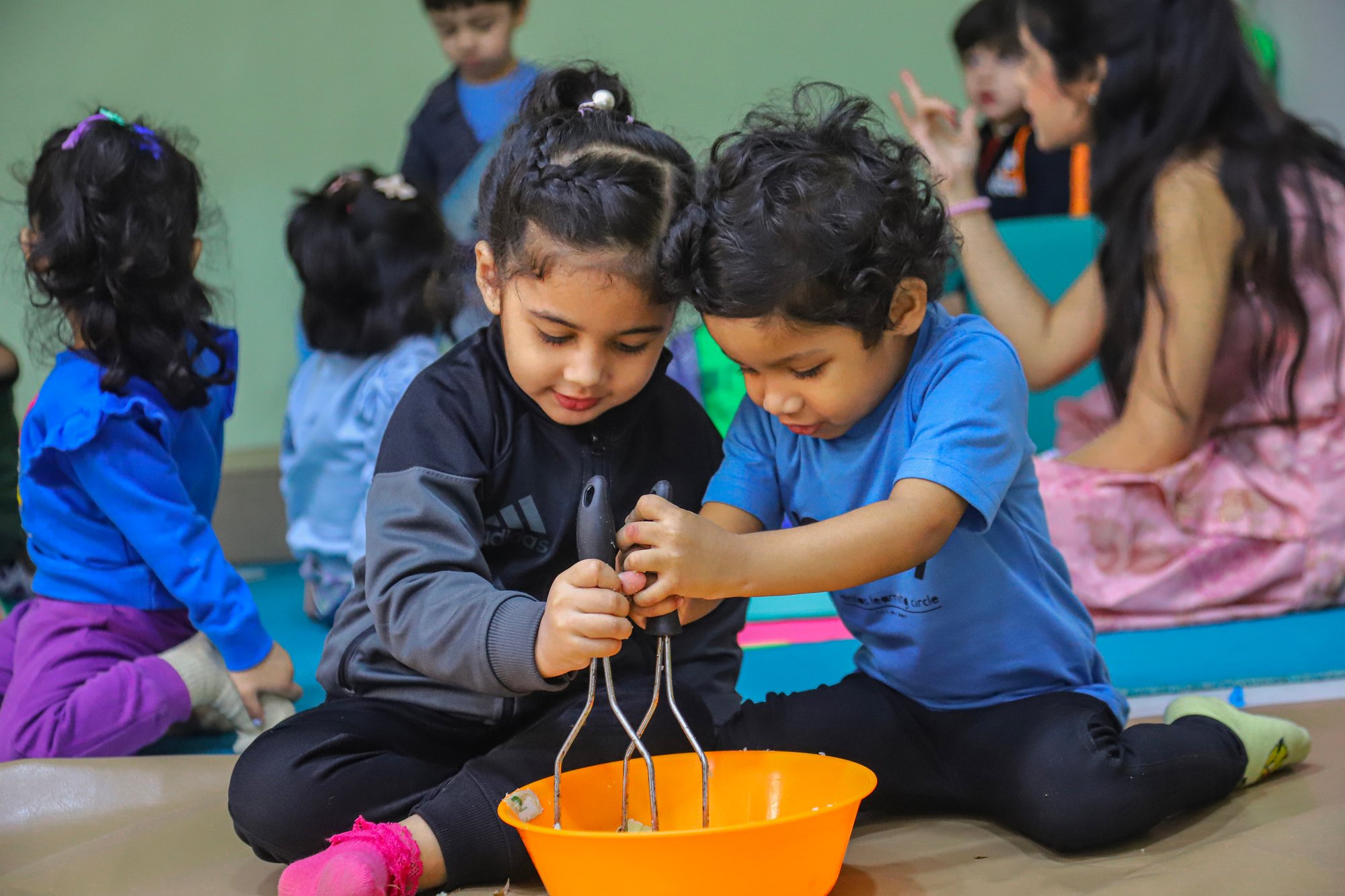
A puddle can become science, language, movement and imagination all at once. A story can lead to counting, drawing, conversation, role play and a hundred questions.
VLC's approach draws inspiration from respected educational philosophies including the Finnish education system, Reggio Emilia and Waldorf education, while developmental milestones are mapped against the areas of learning within the British Early Years Foundation Stage (EYFS).
From those influences, and ten years of our own practice, came an approach distinctly ours.
SNAP®
Stories. Nature. Art. Play.
Four ways into a child's world. And four powerful ways to build the foundations for everything that comes later.
Elementary Years
GRADES 1–5
Curiosity becomes capability.
Elementary is where the learning becomes progressively more structured without becoming disconnected.
Knowledge matters here.
So does knowing what to do with it.
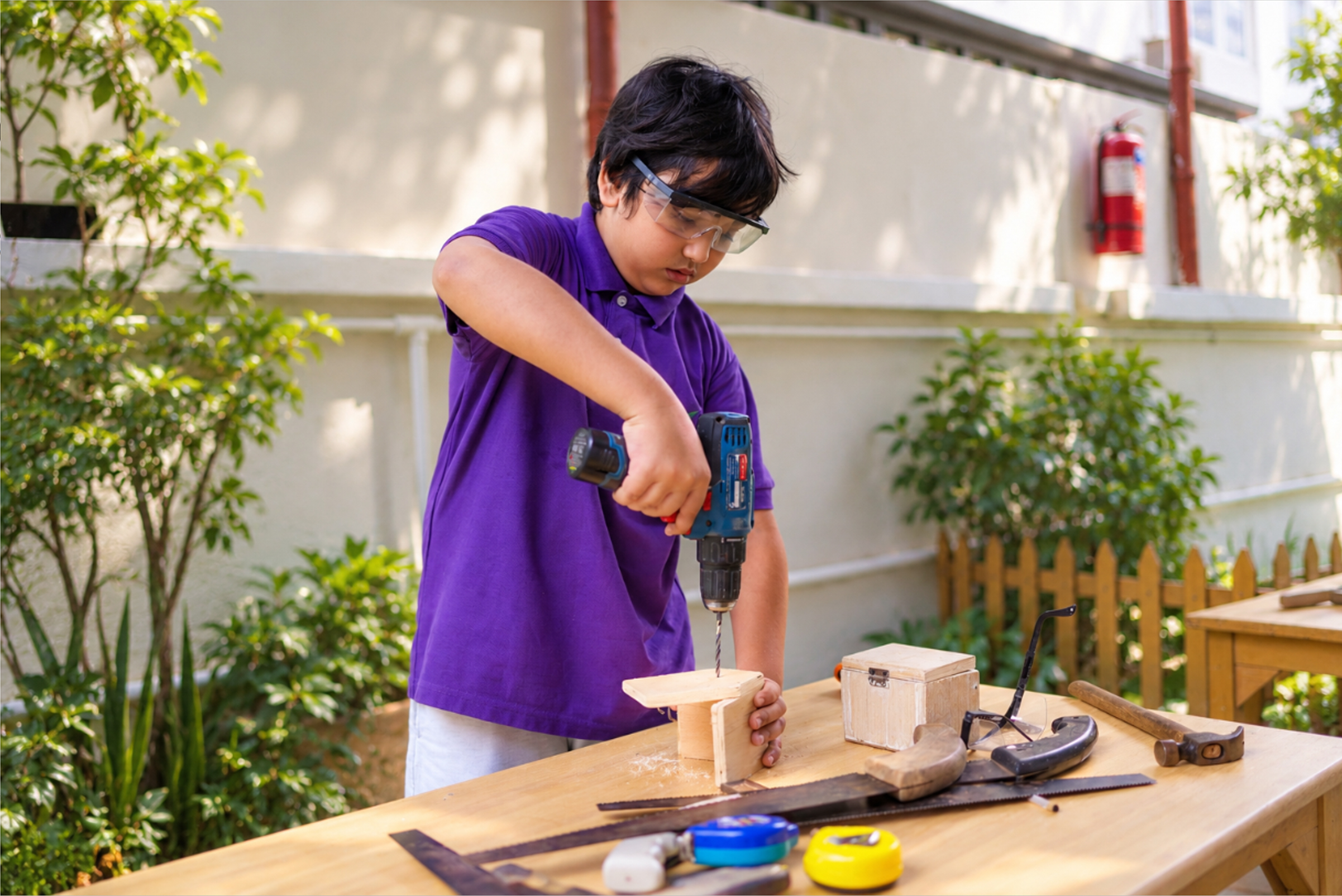
Students read deeply, write with increasing fluency, develop mathematical reasoning, investigate scientifically and begin building a richer understanding of people, places, ideas and the world around them.
But subjects don't always stay inside their own boxes.

Middle Years
GRADES 6–8
The questions get harder. So does the thinking.
The Middle Years are a bridge between the connected learning of Elementary and the greater disciplinary depth of Senior School.
Students encounter more specialised subject knowledge, more demanding texts and problems, and greater expectations around research, analysis, writing and independent work.
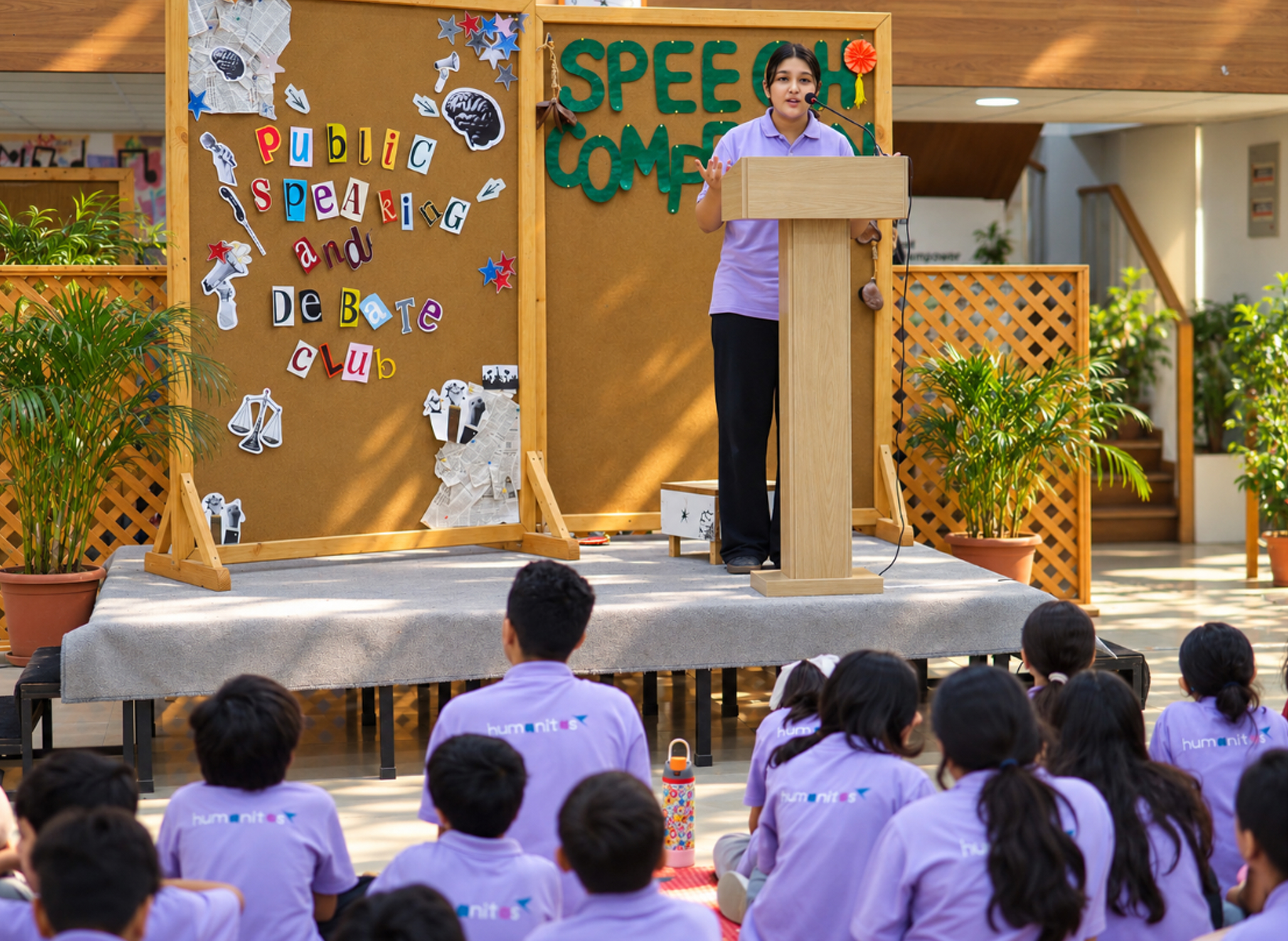
Teachers increasingly ask students to defend an argument, examine evidence, recognise bias, compare perspectives and communicate with precision.
Projects and interdisciplinary connections remain part of the experience, but students are also expected to understand the distinct ways different disciplines think.
A scientist asks one kind of question.
A historian may ask another.
A mathematician needs a different kind of proof.
Learning when to connect disciplines, and when to go deeply into one, is part of becoming an independent thinker.
Senior Years
GRADES 9–11
Academic depth. More than one pathway.
By Senior Years, learning becomes increasingly specialised and examination-focused.
But VLC does not believe a student's academic pathway needs to be defined by the limitations of a single examination board.
Our Senior Years follow a multidisciplinary, multi-board approach, drawing from:
This gives VLC the ability to build a rigorous academic programme across internationally recognised qualifications while considering the strengths and requirements of individual disciplines.
Progress doesn't look identical for every child.
Children bring different strengths, interests and ways of approaching a challenge.
Our role is to understand those differences without lowering expectations.
Students are encouraged to reflect on their progress, recognise where they need support and take increasing ownership of where they want to go next.
Assessment therefore gives us more than a score.
It helps teachers understand what a student knows, where misconceptions remain, what progress has been made and what the next step should be.
High expectations. Thoughtful support. Individual progress.
Assessment should tell us what to do next.
Assessment at VLC takes different forms as students move through the school.
Teachers use observation, discussion, student work, projects, presentations, portfolios and age-appropriate formal assessments to understand both attainment and progress.
As students move towards external qualifications, formal assessment naturally becomes increasingly important.
But the purpose remains useful information:
What does this student understand? Where are the gaps? What are they ready for next?
Assessment should not simply produce a number. It should improve the learning that follows.
Where is your child in their journey?
Whether they're taking their first steps into school or preparing for internationally recognised qualifications, we'd like you to see what their next stage could look like at VLC.
Learning to read the room matters too.
Academic development doesn't happen separately from emotional and social development.
Children learn to understand themselves and others through the ordinary work of being part of a community: resolving disagreement, taking responsibility, caring for shared spaces, working with people who think differently and recognising when someone else needs help.
These aren't “soft” skills sitting outside the curriculum.
They affect how children collaborate, communicate, respond to difficulty and participate in learning.